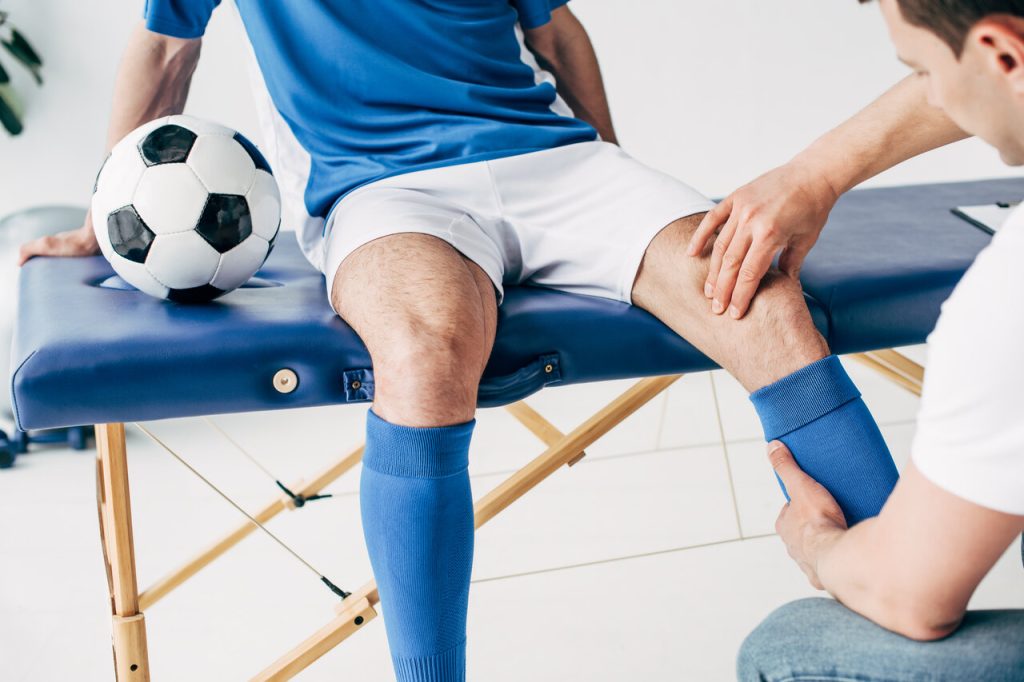
Muscle strains are one of the most common sports injuries affecting athletes, gym-goers, runners, and even people with active lifestyles. Whether it happens during football, cricket, weightlifting, or a simple morning jog, a muscle strain can seriously affect movement, performance, and daily activities. Ignoring the injury or returning to activity too soon can make the condition worse and increase the risk of long-term pain.
This is where proper sports injury rehabilitation becomes essential.
Rehabilitation is not just about resting the injured muscle. It is a structured recovery process that helps restore strength, flexibility, mobility, and overall function. According to the World Health Organization (WHO), rehabilitation plays a vital role in helping people recover from injuries and regain independence in daily life.
What Is a Muscle Strain?
A muscle strain, commonly known as a “pulled muscle,” occurs when muscle fibers are overstretched or torn. This usually happens because of sudden movements, overuse, poor warm-up routines, or excessive physical stress.
Common symptoms include:
- Sudden pain during activity
- Muscle stiffness
- Swelling or bruising
- Weakness in the affected area
- Difficulty moving the muscle normally
Muscle strains can range from mild to severe. Minor strains may heal within a few weeks, while serious injuries can take months without proper rehabilitation.
Why Rehabilitation Matters After a Sports Injury
Many people believe complete bed rest is the best solution after a muscle injury. However, prolonged inactivity can weaken muscles further and delay recovery. Sports injury rehabilitation focuses on controlled healing and gradual strengthening.
Professional physiotherapy rehabilitation helps in:
- Reducing pain and inflammation
- Improving blood circulation
- Restoring flexibility and mobility
- Strengthening weakened muscles
- Preventing future injuries
- Supporting faster return to sports activities
The World Health Organization also highlights that rehabilitation improves recovery outcomes and reduces complications after injuries.
Stages of Sports Injury Rehabilitation for Muscle Strains
1. Initial Pain and Swelling Management
The first stage focuses on reducing pain, swelling, and muscle stress. Physiotherapists may recommend rest, ice therapy, compression, and gentle movement exercises during this phase.
The goal is to protect the injured muscle while maintaining safe mobility.
2. Restoring Flexibility and Range of Motion
Once pain starts decreasing, rehabilitation exercises focus on improving flexibility and joint movement. Gentle stretching techniques help prevent stiffness and scar tissue formation.
At this stage, physiotherapists carefully monitor movement patterns to avoid re-injury.
3. Strengthening the Injured Muscle
Strength-building exercises are introduced gradually to rebuild muscle endurance and stability. This phase is extremely important because weak muscles are more vulnerable to future injuries.
According to sports rehabilitation experts, structured strengthening programs help athletes recover safely and return to performance more confidently.
4. Functional and Sports-Specific Training
The final stage prepares the individual for returning to sports or regular physical activity. This may include balance training, agility exercises, posture correction, and sport-specific drills.
The purpose is not only recovery but also injury prevention.
The Role of Physiotherapy in Muscle Strain Recovery
Professional physiotherapy plays a major role in sports injury management. Physiotherapists assess the severity of the injury and create customized treatment plans based on the patient’s condition, activity level, and recovery goals.
Modern physiotherapy techniques may include:
- Manual therapy
- Therapeutic exercises
- Stretching programs
- Electrotherapy
- Dry needling
- Sports massage
- Mobility training
Research and clinical practice show that physiotherapy can help reduce pain naturally, improve movement, and support long-term muscle health.
When Should You Visit a Physiotherapy Specialist?
You should seek professional rehabilitation support if:
- Pain lasts more than a few days
- Swelling or bruising increases
- Walking or movement becomes difficult
- The same injury happens repeatedly
- Sports performance is affected
Early treatment often leads to quicker recovery and lowers the chances of chronic muscle problems.
For individuals searching for a trusted physiotherapy center in Faisalabad, professional rehabilitation services can help manage muscle strains, sports injuries, posture-related pain, and mobility issues with personalized treatment plans.
Preventing Future Muscle Strains
Prevention is just as important as recovery. Many sports injuries happen because of poor training habits and muscle imbalance.
Here are some simple prevention tips:
- Always warm up before exercise
- Stretch regularly
- Stay hydrated
- Avoid overtraining
- Use proper sports techniques
- Strengthen supporting muscles
- Allow enough recovery time between workouts
Sports physiotherapy not only treats injuries but also helps identify movement issues that may increase injury risk in the future.
Final Thoughts
Muscle strains may seem like minor injuries, but without proper care, they can become long-term problems that affect mobility, sports performance, and overall quality of life. Sports injury rehabilitation provides a safe and structured path toward complete recovery.
With the right physiotherapy support, patients can heal faster, regain confidence, and return to their normal activities without fear of recurring injuries.
Expert Tip
Never return to intense physical activity just because the pain has reduced. Complete muscle healing requires restoring strength, flexibility, and movement control. A professional rehabilitation plan can help you recover properly and prevent repeated injuries in the future.