Is Hair Transplant Permanent? Everything You Need to Know Before Choosing the Procedure
Hair loss can affect confidence, appearance, and even social interactions. Whether it starts in your twenties or later in life, seeing more hair on your pillow or noticing a receding hairline can be frustrating. Many people spend years trying shampoos, oils, supplements, and home remedies, only to achieve little or no improvement.
When these options fail, people naturally begin searching for a long-term solution. That's where hair transplantation enters the conversation. But one question remains at the top of almost everyone's mind:
Is a hair transplant permanent?
The short answer is yes, inmost cases, a professionally performed hair transplant offers permanent results. However, there are important factors that determine how successful and long-lasting those results will be.
How Does a Hair Transplant Work?
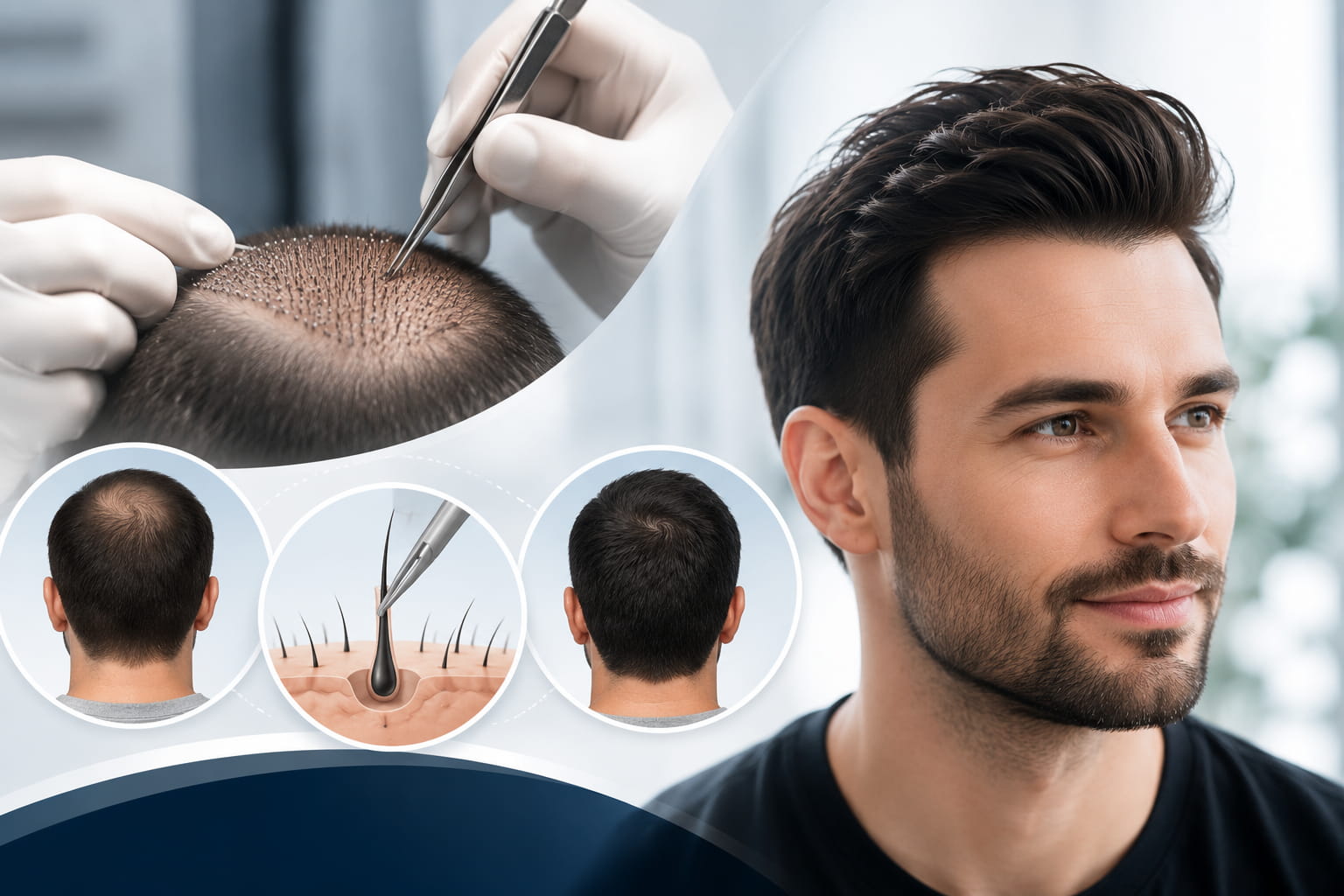
A hair transplant involves moving healthy hair follicles from one part of your scalp, usually the back or sides, to areas experiencing thinning or baldness.
The most commonly used method today is Follicular Unit Extraction (FUE). During this procedure, individual hair follicles are carefully extracted and transplanted into the affected areas. Because these follicles come from regions that are genetically resistant to hair loss, they usually continue growing naturally after transplantation.
Unlike temporary cosmetic solutions, a hair transplant restores your own natural hair, making it blend seamlessly with the surrounding scalp.
So, Is Hair Transplant Permanent?
Yes, transplanted hair follicles are generally considered permanent because they retain the genetic characteristics of the donor area.
Once the transplanted follicles establish a blood supply and begin growing, they typically continue producing hair for many years. According to the American Academy of Dermatology (AAD), transplanted hair usually falls out within the first few weeks after surgery before new permanent growth begins several months later.
However, it's important to understand one key point:
A hair transplant does not stop your existing natural hair from thinning due to ongoing genetic hair loss. This is why some people may require additional treatments or maintenance sessions in the future.
Why Some People Think Hair Transplants Don't Last
Many people mistakenly believe their transplant has failed because of the "shock loss" phase.
After surgery, the transplanted hairs commonly shed within 2–8 weeks. This is completely normal and expected. The follicles remain healthy beneath the skin and gradually begin producing new hair after around 3–4 months.
Visible improvement continues throughout the first year, with final results usually appearing between 12 and 18 months.
Patience is an important part of the recoveryprocess.
Factors That Affect Long-Term Results
Although transplanted follicles are permanent, several factors influence the overall outcome.
1. Surgeon Experience
Proper planning, natural hairline design, and careful placement of grafts significantly improve long-term success.
2.Quality of Donor Hair
Healthy donor follicles produce stronger anddenser results.
3.Age and Pattern of Hair Loss
Patients with stable hair loss often enjoy more predictable long-term outcomes than individuals with rapidly progressing baldness.
4.Post-Procedure Care
Following your surgeon's aftercare instructions helps transplanted follicles heal properly and reduces complications.
5.Lifestyle Factors
Smoking, poor nutrition, uncontrolled medical conditions, and chronic stress can affect overall hair health, including existing non-transplanted hair.
Can Transplanted Hair Fall Out?
Yes, but usually only temporarily during the normal healing phase.
Permanent loss of transplanted follicles is uncommon when the procedure is performed correctly. Once the follicles are fully established, they generally continue growing like normal hair.
That said, the non-transplanted hair around the treated area may continue thinning due to male or female pattern baldness. For this reason, many specialists recommend medications or supportive therapies to preserve existing hair.
Who Is a Good Candidate?
Hair transplantation works best for individuals who:
- Have male or female pattern hair loss
- Possess healthy donor hair
- Have realistic expectations
- Are in good overall health
- Want a natural, long-term solution instead of temporary fixes
A detailed consultation helps determine whether transplantation is the right option for your specific condition.
Why FUE Is Becoming the Preferred Choice
Modern FUE hair transplantation offers several advantages over older techniques:
- Minimal scarring
- No stitches
- Faster recovery
- Natural-looking hairline
- Less discomfort
- Individual follicle placement for better density
These benefits have made FUE one of the most popular hair restoration procedures worldwide.
If you're looking for hair transplant treatment in Pakistan, Health360's hair transplant clinics in Faisalabad and Islamabad offer advanced FUE procedures performed by experienced specialists, personalized treatment plans, and comprehensive follow-up care.
How Long Before You See Full Results?
Hair growth happens gradually.
A typical timeline looks like this
- Weeks 2–8: Temporary shedding of transplanted hair
- Months 3–4: New hair begins growing
- Months 6–9: Noticeable increase in density
- Months 12–18: Final results become visible
Because every individual heals differently, timelines may vary slightly.
Supporting Your Hair After Transplantation
Even permanent transplanted hair benefits from healthy habits.
You can maximize your results by:
- Eating a balanced, protein-rich diet
- Avoiding smoking
- Managing stress
- Following your surgeon's instructions
- Attending follow-up appointments
- Using doctor-recommended medications when appropriate
Maintaining the health of your existing hair helps preserve an overall fuller appearance for many years.
Final Thoughts
A hair transplant is one of the few treatments that offers a truly long-lasting solution for pattern baldness. While transplanted follicles are generally permanent, maintaining the surrounding natural hair is equally important for achieving the best cosmetic outcome.
Choosing an experienced surgeon, following proper aftercare, and having realistic expectations all contribute to successful, natural-looking results.
Expert Tip 💡
Don't judge your hair transplant during the first three months. Temporary shedding is a normal part of the healing process, not a sign of failure. Trust the timeline, follow your doctor's advice, and focus on long-term results rather than early changes.